
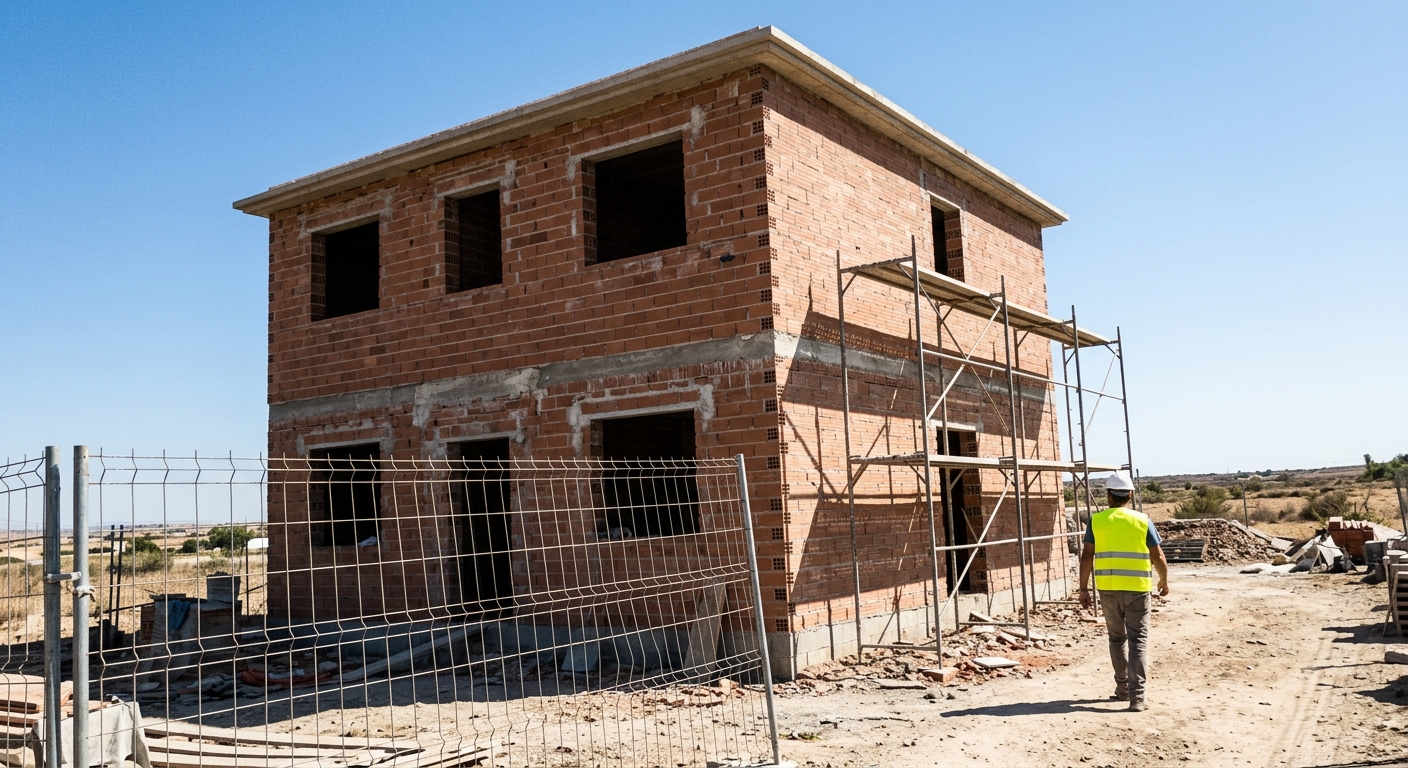
We have almost fifty years in construction. A long time watching buildings rise, homes being handed over, and clients feeling confident about what they had invested. In that time, we learned that doing things well doesn’t cost more — it costs differently. And that trust between builder and buyer is what holds the sector together.
But in 2008, something changed. And that change is why Verihaus exists today.
The 2008 Crisis Fragmented the Sector
When the property market collapsed, many large construction companies disappeared or shrank dramatically. What remained was a very different landscape: many small subcontractors, independent crews and self-employed builders. Many of them good — very good.
Nearly twenty years later, the sector is still far more fragmented than before the crisis. A renovation might be done by a crew with many years in the trade, or by a team that has just started. All of them have budgets to meet, clients waiting and tight deadlines. When that pressure builds, the quality of finishes and workmanship varies.
That’s not anyone’s fault specifically — it’s the post-crisis structure of the sector. Less scale, less intermediate oversight, a heavier workload and, sometimes, less time. The result: homes and renovations with details that aren’t noticeable during a sales viewing and only come to light when someone looks for them methodically.
Buying From Abroad Is Harder
What concerns us most is this: someone arrives from the Netherlands, Germany or the UK. They’ve saved for years, found a home in Spain, and they’re told it’s in perfect condition. They sign.
Months later, a roof leak appears that nobody had seen. Plumbing that doesn’t work properly. A “move-in ready” renovation with finishing details that aren’t as they should be.
Then come the phone calls, the questions about who is responsible for what, and the deadlines that keep running. Not because anyone acted in bad faith, but because nobody checked the condition of the home in detail before signing. The underlying problem is a lack of information. And the person who feels it most is the one who knows the market least: the foreign buyer, who trusted that “perfect condition” meant exactly that.
Inspection Was Never Glamorous
When we first started thinking about technical home inspections, it wasn’t an attractive business. Hardly anyone asked for a check. Buying without a technical review was the norm, and buyers trusted — sometimes too much.
But the need remained: someone had to explain clearly what was actually in a home. Without pressure to sell. Without an incentive to find problems. Without disappearing after you sign.
That’s what we set out to build. A company with clear operating boundaries. Where the price doesn’t depend on what we find. Where we publish exactly when we step back, why, and who carries out each type of inspection. A company that isn’t caught between what the seller wants and what the buyer needs.
What This Means Today
The sector is still fragmented, with strong cost pressure and little oversight on smaller works — the ones that matter most to people buying or renovating. And more and more people are buying from abroad, trusting what they’re told.
Our job isn’t to judge builders or developers. It’s to make sure anyone buying a home has the real facts before they invest. That also benefits the builders and contractors who do good work — and there are many of them: work that is done well and well documented speaks for itself.
The Real Advice
If you’re buying a home — renovated or not, resale or new build — get a technical inspection before you sign. Not as a luxury for the distrustful, but as a normal precaution, like getting a check-up before a long trip.
1 in 4 homes has a serious defect that isn’t visible to the naked eye, with an average repair cost of over €8,000. And only 15% of people ask for a technical review before buying.
Everything may well be fine, and often it is. What we offer is checking it before you sign, so you decide with the facts in front of you, not afterwards.